Public Transport
Public transport includes buses, trains, and other vehicles that carry many passengers around a city. Key vocabulary includes bus stop, ticket, driver, timetable, and route. This scene supports vocabulary for travel within a town or city.
Vocabulary in this scene
-
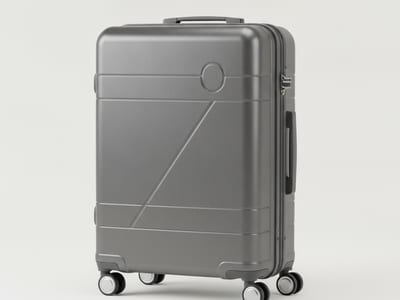
luggage
/ˈlʌgɪdʒ/ · A1
-
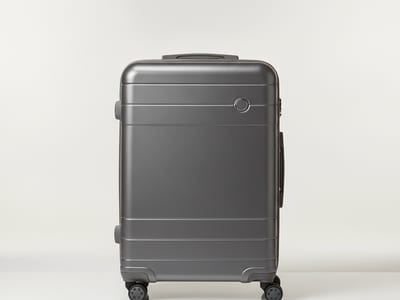
suitcase
/ˈsuːtkeɪs/ · A1
-

passenger
/ˈpæsɪndʒə/ · A1
-
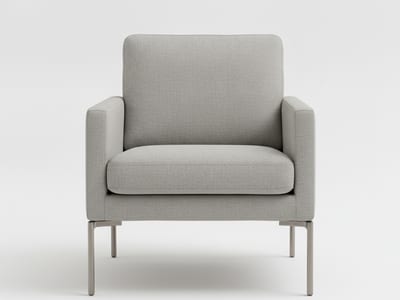
seat
/siːt/ · A1
-
delay
/dɪˈleɪ/ · A2
-

queue
/kjuː/ · A2
-
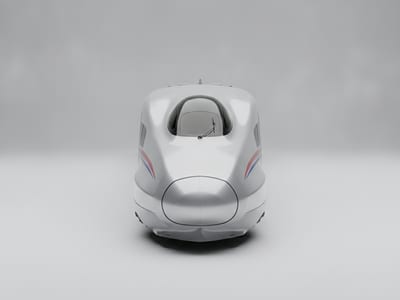
train
/treɪn/ · A1
-
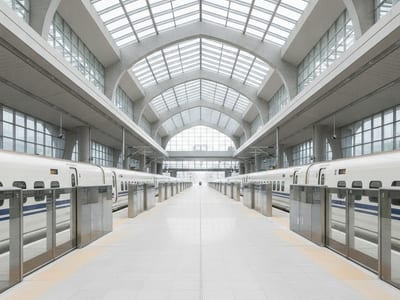
station
/ˈsteɪʃən/ · A1
-

platform
/ˈplætfɔːm/ · A1
-

ticket
/ˈtɪkɪt/ · A1
-
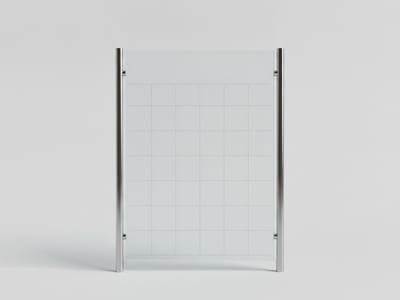
timetable
/ˈtaɪmˌteɪbəl/ · A2
-
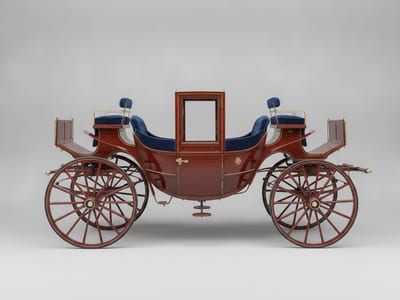
carriage
/ˈkærɪdʒ/ · A2
-

conductor
/kənˈdʌktə/ · A2
-
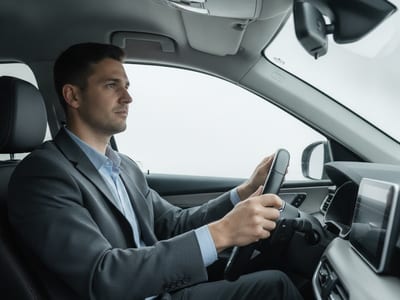
driver
/ˈdraɪvə/ · A1
-

arrive
/əˈraɪv/ · A1
-

leave
/liːv/ · A1
-

wait
/weɪt/ · A1
-

journey
/ˈdʒɜːni/ · A2
-
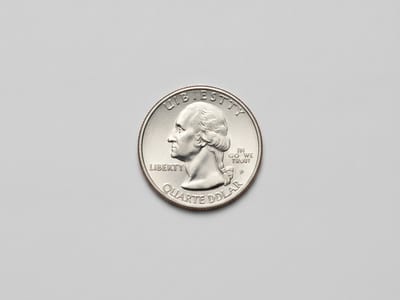
change
/tʃeɪndʒ/ · A2
-

map
/mæp/ · A1
-

aisle
/aɪl/ · A2
-

bus
/bʌs/ · A1
-

taxi
/ˈtæksi/ · A1
-

stop
/stɒp/ · A1
-

tram
/træm/ · A2
-

subway
/ˈsʌbweɪ/ · A2
-

fare
/feər/ · A2
-

route
/ruːt/ · A2
-

underground
/ˈʌndəɡraʊnd/ · A2
-

ride
/raɪd/ · A1
-

transfer
/trænsˈfɜːr/ · A2
-

rush hour
/ˈrʌʃ aʊə(r)/ · A2


